
Introduction to Building Information Modeling (BIM)
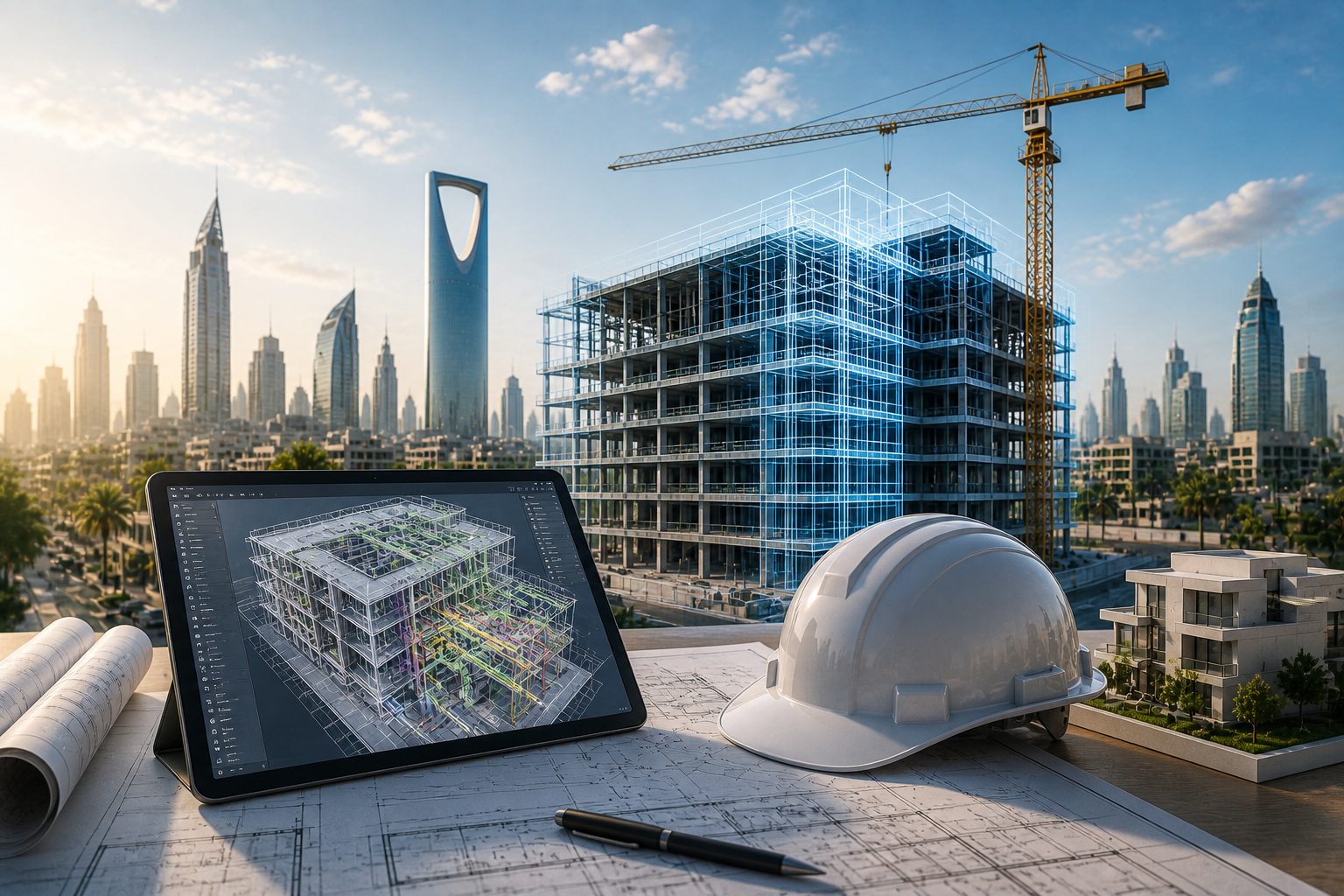
Building Information Modeling (BIM) is considered one of the most revolutionary developments in the fields of architecture, urban planning, and engineering project management. BIM is defined as a process that uses 3D digital models to represent all of the architectural and engineering aspects, as well as the systems related to a particular project. This technology helps improve communication among all the parties involved, including engineers, contractors, and designers, which contributes to raising the level of collaboration and reducing potential errors.
BIM applications in engineering projects range from building design to facility management, spanning the various stages of the project. For example, it can be used to improve design efficiency through accurate cost and time forecasts, which leads to better and more informed decisions. The ability to monitor changes in this context helps reduce waste and increase resource efficiency, making projects more sustainable.
In Riyadh, engineering firms have begun increasingly adopting Building Information Modeling (BIM) to increase the effectiveness of the projects they carry out. The Saudi government has come to encourage this trend as part of Vision 2030 to enhance productivity and develop infrastructure. The results associated with using BIM include an improved schedule, cost savings, and enhanced overall quality of infrastructure. This technology emerges as a vital tool that contributes to the success of engineering projects in more modern and effective ways, making it necessary to understand its importance in different engineering contexts.
Benefits of BIM in Residential and Commercial Projects
Building Information Modeling (BIM) is a vital tool that contributes significantly to the development of engineering projects, particularly in the residential and commercial sectors. Using this technology enables multiple improvements in project design, leading to more accurate and effective results. Through the use of 3D models, engineers and designers can explore and correct potential defects in the early stages of design, which reduces the time and costs associated with modifications at later stages.
In addition to the design benefits, BIM also helps reduce the overall costs of projects. By allowing cost analysis and budget forecasting with greater accuracy, developers can identify potential financial problems before execution begins. BIM technologies also make it possible to optimize work scheduling, as they allow work periods to be planned effectively, which helps accelerate deadlines and reduce resource waste.
There are many successful examples of projects that benefit from BIM in Riyadh. For example, Kayan Smart Engineering Consultancy has carried out multiple residential and commercial projects using BIM technologies, which led to a significant improvement in workflow. These projects have helped improve efficiency and reduce costs, which strengthened the company’s reputation in the market as a leader in engineering innovation. These successes reflect the real power of BIM technology in making a noticeable difference in the construction industry.
Building Information Modeling (BIM) is an innovative tool in the field of engineering, as it contributes significantly to reducing engineering errors during the project development stages. By integrating modeling technology with engineering processes, it becomes possible to reduce the gaps and inconsistencies that may appear in designs. The use of BIM enhances the accuracy of the data provided, which makes engineering teams more efficient in managing the different aspects of the project.
One of the most prominent benefits offered by Building Information Modeling is the ability to share data in real time among different teams, including engineers, architects, and contractors. This feature is vital in many projects, as teams can work in parallel and update information based on accurate and reliable data. From here, any modification or change can be addressed immediately, which reduces the risks associated with inconsistent or unavailable information.
Furthermore, using this technology improves the overall quality of projects and reduces costs as well. When errors are identified in the early stages of design, the exorbitant costs resulting from late modifications can be avoided. This means that using BIM not only helps reduce errors, but also enhances the financial sustainability of the project, as organizations can invest their budgets more effectively.
In this way, it becomes clear that the role of technology, through Building Information Modeling, in reducing engineering errors is not limited to improving accuracy alone, but also contributes to achieving higher value outcomes and achieving project goals more effectively.
The Importance of Digital Transformation in the Saudi Engineering Sector
In light of the rapid changes the world is witnessing, digital transformation has become an urgent necessity for various sectors, especially the Saudi engineering sector. Digital transformation represents a qualitative leap in how engineering projects are carried out, as using digital tools makes it easier to gain efficiency and improve quality. The benefits of this transformation include accelerating design and execution processes and reducing costs, as well as improving collaboration among work teams.
Despite these benefits, the engineering industry in Saudi Arabia faces several challenges during digital transformation. Among these challenges are a shortage of qualified personnel with the required digital skills, in addition to cultural resistance to change among some individuals and companies. Nevertheless, the need to respond to these challenges is pushing many companies to adopt well-considered transformation strategies that help achieve their goals in the long term.
Kayan Smart Engineering Consultancy plays a key role in supporting this digital transformation. The company offers innovative solutions that help improve the performance of engineering projects by integrating technologies such as Building Information Modeling (BIM). These technologies help improve collaboration among project stakeholders and enhance effective communication, which leads to improved final project outcomes. Furthermore, Kayan Smart offers training programs for engineering staff to strengthen their digital skills, which helps increase the acceptance of digital transformation across the sector.